
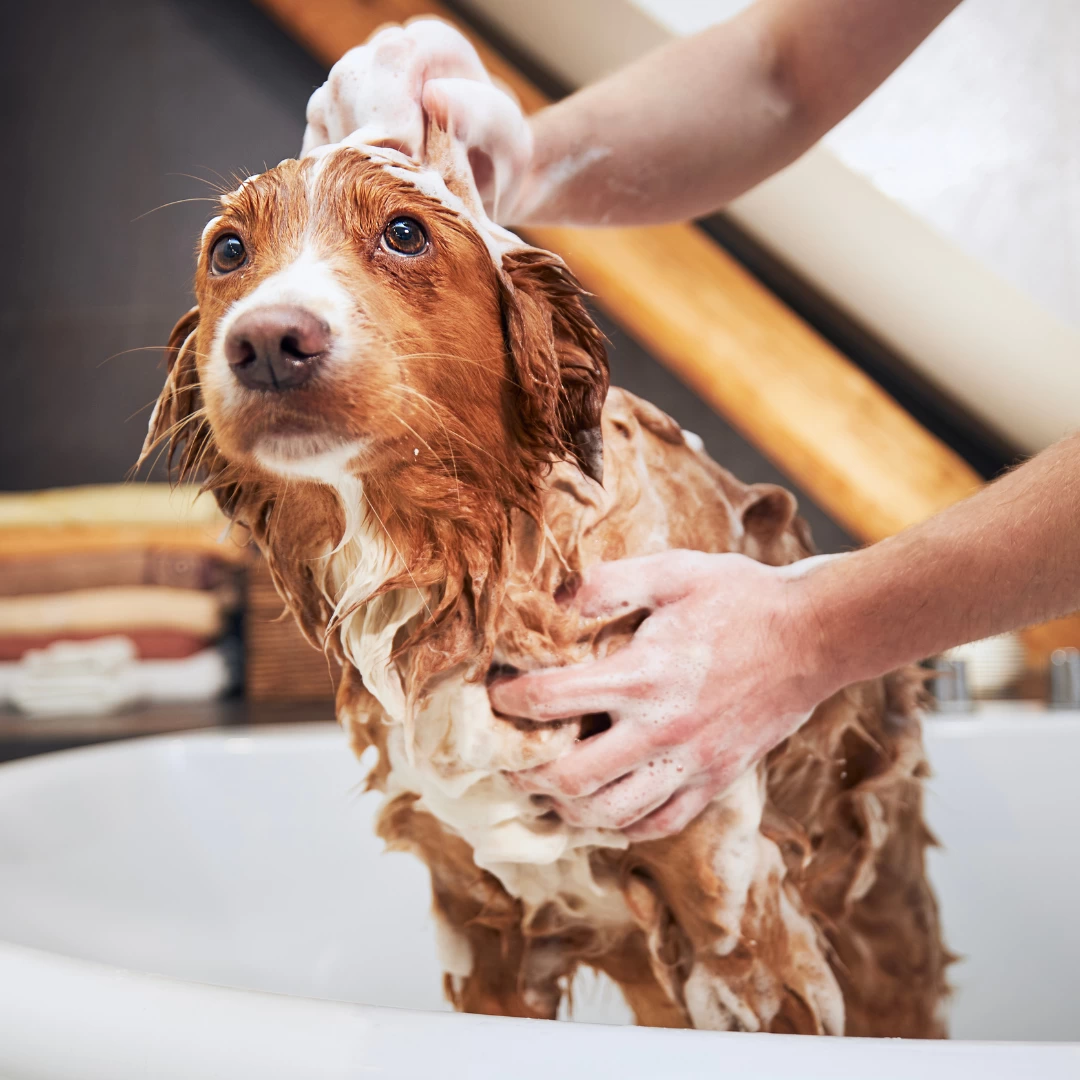
Your Dog Needs a Bath Too: Why Is It Important?
The Importance of Regular Baths for Dogs
Taking care of your dog’s hygiene is essential for their overall health and well-being. Just like humans, dogs can accumulate dirt, oils, and allergens on their skin and fur. Regular baths not only keep your pet clean but also help prevent skin issues and unpleasant odors.
Understanding Dog Skin Health
Dogs have a different skin structure compared to humans, and they produce natural oils that protect their skin and coat. However, when these oils build up, they can trap dirt and allergens, leading to skin irritations. Regular baths with the right shampoo for dogs can help maintain this balance and ensure your dog remains comfortable.
Choosing the Right Products for Your Dog
When it comes to bathing your dog, selecting the right products is crucial. Not all shampoos are created equal, and using a human shampoo could strip your dog’s skin of its natural oils. Look for a quality shampoo for dogs specifically formulated for canine skin.

The Benefits of Conditioner for Dogs
After washing with a shampoo for dogs, using a suitable conditioner for dog can significantly improve the texture and appearance of your dog’s coat. Conditioners help to lock in moisture, reduce tangles, and make combing easier. This is especially important for dogs with longer hair that tend to get knotted easily.
No-Rinse Products: A Convenient Alternative
There are times when a full bath may not be practical, such as during cold weather or when your dog is recovering from surgery. In these situations, no rinse products can be a lifesaver. These products allow you to clean your dog effectively without the need for water.
How to Use No Rinse Products
Using no rinse products is typically straightforward. Simply apply the product to your dog’s coat, rub it in, and wipe away any excess with a towel. This method can effectively eliminate odors and dirt, making it an excellent interim solution between baths.
The Frequency of Dog Baths
The frequency of baths can vary depending on your dog’s breed, lifestyle, and skin condition. Generally, most dogs require a bath every few weeks. However, dogs that spend a lot of time outdoors or have skin issues may need more frequent bathing.
Signs That Your Dog Needs a Bath
Pay attention to your dog’s smell, attitude, and coat condition. If your furry friend starts to smell, looks dirty, or scratches excessively, it might be time for a bath. Ignoring these signs can lead to more serious skin issues or infections.
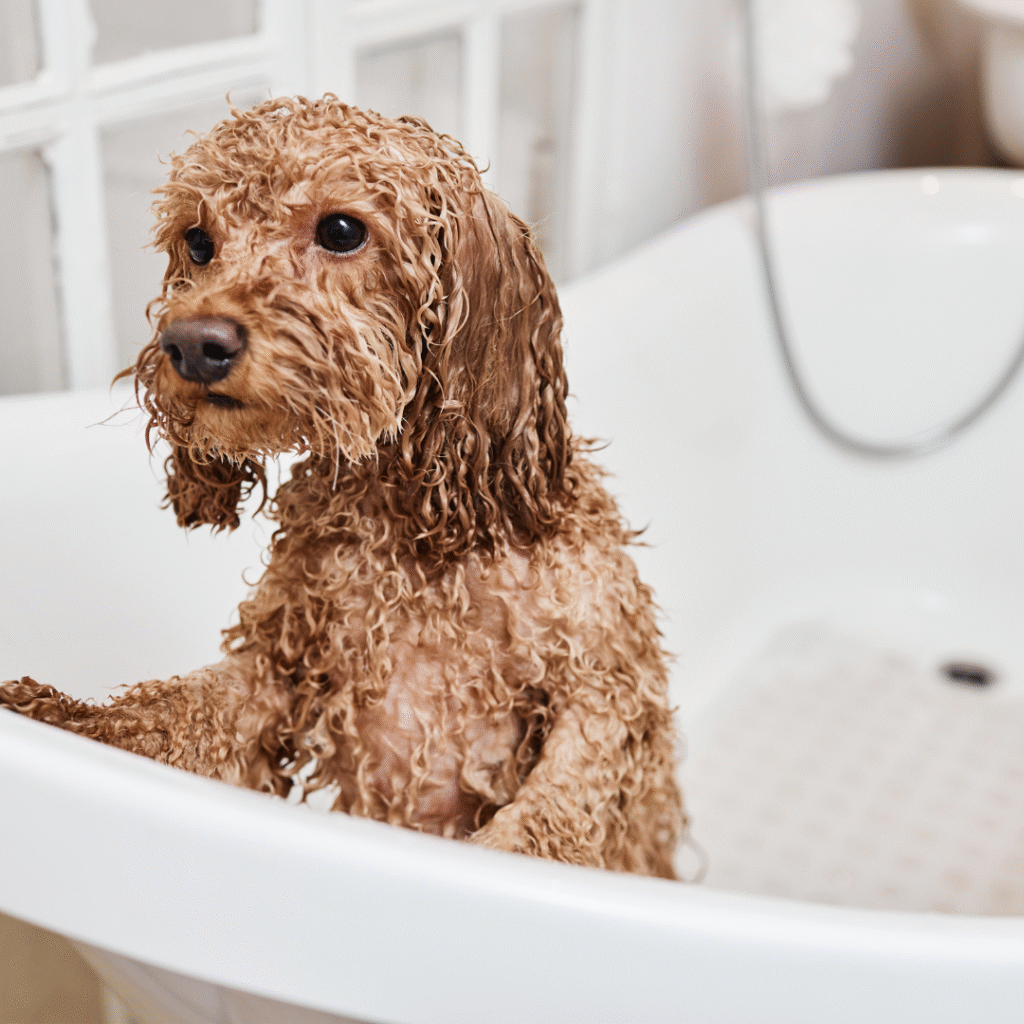
The Bathing Process: Tips for Success
Bathing your dog can be an enjoyable experience for both of you if done correctly. Preparing everything beforehand will make the process smoother. Gather your shampoo for dogs, conditioner, towels, and brush to avoid any surprises.
Creating a Comfortable Environment
Ensure the bathing area is safe and comfortable. You might want to place a non-slip mat in the tub or sink to prevent your dog from slipping. Use lukewarm water as dogs can be sensitive to temperature changes, ensuring that the water is comfortable to the touch.
The After-Bath Routine
After bathing, it’s essential to dry your dog properly. Use a towel to gently pat them dry and remove excess water. Depending on your dog’s tolerance and coat type, you may also consider using a blow dryer on a low heat setting. Make sure to keep it at a safe distance from their skin.
Brushing Post-Bath
Brushing your dog’s coat after a bath can help remove loose hair and prevent mats. It’s an excellent opportunity to check for any irritations or abnormalities in their skin that may need veterinary attention.
Bathing Puppies: Special Considerations
Puppies are usually more sensitive than adult dogs. While it’s important to keep them clean, over-bathing can cause skin problems. For puppies, using a mild shampoo for dogs formulated specifically for their delicate skin is crucial.
Introducing the Bathing Experience
Gradually introducing your puppy to the bathing process can help them feel less anxious. Start with short sessions, and use lots of praise and treats to create a positive association with bath time. This habit will benefit them in the long run.
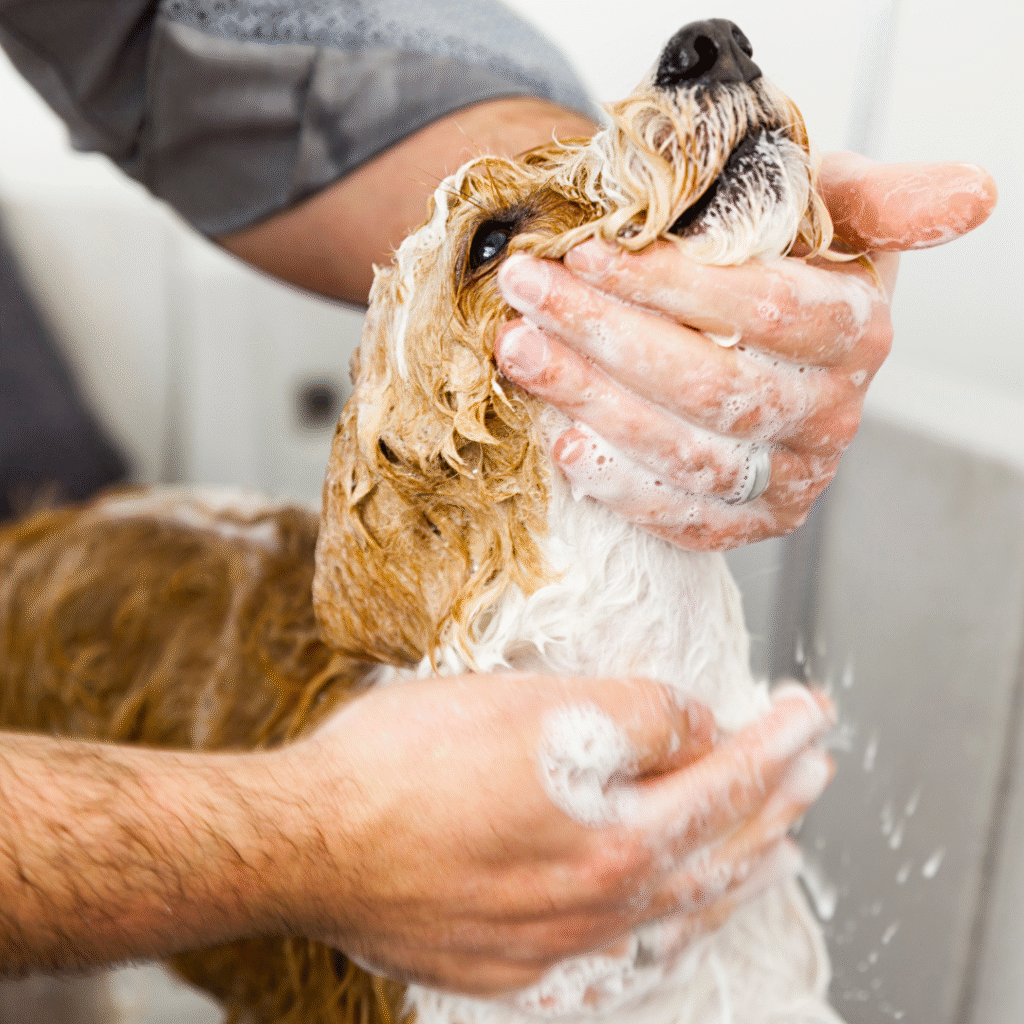
The Role of Regular Grooming in Bath Time
Regular grooming is another vital aspect of your dog’s hygiene routine. Brushing your dog regularly can reduce the amount of hair that ends up in your home, control odors, and distribute the natural oils throughout their coat.
Combining Grooming with Bathing
Bath time can also serve as an excellent opportunity for grooming. After washing, use this time to give your dog a thorough brush. This will help ensure their coat remains healthy and free from tangles and mats.
Addressing Behavioral Concerns
Bathing can sometimes be a stressful experience for dogs. If your dog resists bathing, it’s crucial to be patient and understanding. Consider using treats or toys to make the experience more enjoyable and less intimidating.
Seeking Professional Help
If your dog has severe anxiety about baths, consider taking them to a professional groomer. They have the experience and patience to make the process easier for your pet, ensuring they get the hygiene care they need without added stress.
Understanding Your Dog’s Specific Needs
Remember that every dog is unique. Factors like breed, activity level, and skin conditions can affect how often and how you should bathe them. Consulting your veterinarian for personalized advice can help you tailor a bathing schedule that suits your dog’s specific needs.